The connection between spray foam removal and better indoor air quality
The Trick Attributes of Spray Foam Insulation That Enhance Your Home's Efficiency
Spray foam insulation provides several key attributes that considerably enhance a home's performance. Its premium air securing abilities create an obstacle versus air leakage, enhancing power effectiveness. Combined with high thermal insulation and wetness resistance, it contributes to a much more comfy living setting. Recognizing these aspects can cause notified decisions about home insulation. The benefits extend past comfort and efficiency, triggering a closer examination of its total influence on home maintenance and expenses.
Superior Air Sealing Capabilities
Boosted Thermal Insulation
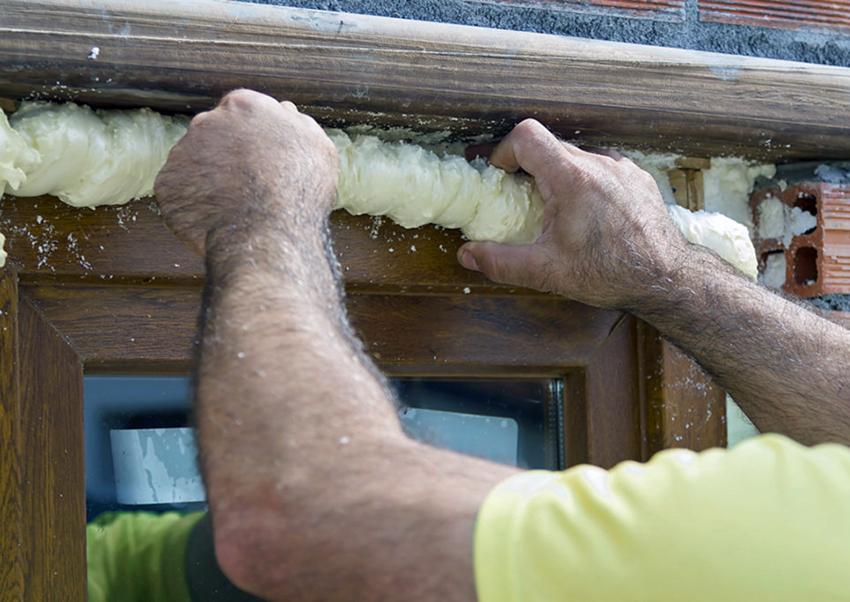
While several insulation products provide some level of thermal resistance, spray foam insulation stands out in creating a very reliable thermal obstacle. This distinct item increases upon application, loading voids and crevices that conventional insulation commonly leaves subjected. The closed-cell structure of spray foam significantly decreases heat transfer, trapping warmth in the wintertime and maintaining interiors cool down in the summer.

Furthermore, its capacity to adapt hard-to-reach locations and uneven forms guarantees detailed insurance coverage, more improving its insulating properties. Basically, spray foam insulation not only satisfies but goes beyond modern insulation criteria, making it a compelling selection for those looking for to improve their home's energy efficiency.
Wetness and Mold Resistance
Energy Performance and Expense Cost Savings
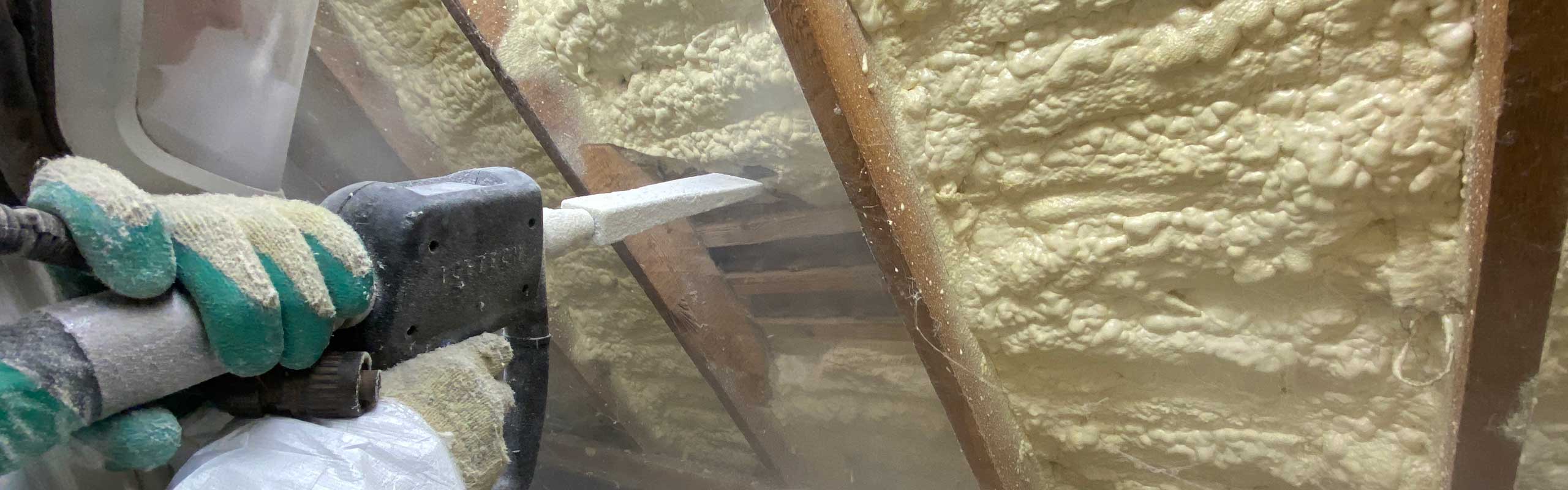
Energy performance is a substantial advantage of spray foam insulation, as it minimizes air leakages and thermal connecting, resulting in reduced power usage for heating and cooling. This insulation type expands upon application, loading even the smallest spaces and providing a continuous barrier. As a result, property owners experience a more stable interior temperature, minimizing dependence on heating and cooling down systems.
The improved power efficiency equates into substantial cost savings on utility costs, making spray foam insulation an economically audio financial investment. Over time, the reduction in energy consumption can lead to substantial financial savings, warranting the preliminary setup prices. Furthermore, numerous property owners may get approved for power efficiency discounts, even more boosting the economic advantages.
Flexibility and Application Adaptability
Spray foam insulation uses impressive adaptability and application versatility, making it appropriate for a selection of structure jobs. This kind of insulation can be used in diverse atmospheres, ranging from domestic homes to industrial buildings and also commercial centers. Its ability to adapt to irregular surface areas permits it to load spaces and spaces properly, making certain superior thermal performance.
In addition, spray foam insulation is available in different formulations, consisting of open-cell and closed-cell kinds, dealing with particular demands such as soundproofing or wetness control. spray foam removal. It can be used in attic rooms, wall surfaces, basements, and crawl spaces, showing its adaptability across numerous building and construction situations
Furthermore, the convenience of application implies it can be installed quickly, lowering labor prices and job timelines. Overall, the adaptability and application versatility basics of spray foam insulation make it an outstanding selection for improving energy effectiveness and convenience in a large range of building projects.
Regularly Asked Concerns
The Length Of Time Does Spray Foam Insulation Last?
Spray foam insulation commonly lasts between 25 to 80 years, relying on elements such as application high quality, environmental conditions, and upkeep. Its longevity adds considerably to lasting energy effectiveness and architectural stability in various setups.
Is Spray Foam Insulation Safe for Indoor Air Quality?
Spray foam insulation, when correctly installed and healed, is typically risk-free for indoor air quality. It is necessary to assure appropriate ventilation during application and to pick low-VOC options to reduce potential health and wellness threats.
Can I Use Spray Foam Insulation Myself?
Using spray foam insulation see here oneself is possible, however calls for cautious interest to safety and application methods. Professionals typically recommend employing professionals to assure appropriate installment and avoid prospective dangers connected with improper handling and application.
What Is the R-Value of Spray Foam Insulation?
The R-value of spray foam insulation normally varies from 6 to 7 per inch, depending upon the formula (spray foam removal). This high thermal resistance makes it a reliable option for boosting energy efficiency in residential structures
Exactly How Does Spray Foam Insulation Affect Home Resale Worth?
Spray foam insulation positively influences home resale value by improving power performance and minimizing energy expenses. Potential buyers often value the long-lasting savings and convenience it supplies, making homes with this insulation much more appealing on the market.
While numerous insulation materials offer some degree of thermal resistance, spray foam insulation succeeds in developing a very efficient thermal barrier. By decreasing moisture invasion, spray foam insulation aids maintain a drier atmosphere within the home, therefore enhancing total comfort and safety. Power efficiency is a substantial advantage of spray foam insulation, as it minimizes air leakages and thermal bridging, resulting in decreased energy intake for heating and cooling. The enhanced power effectiveness translates into concrete price financial savings on energy expenses, making spray foam insulation a financially sound financial investment. Spray foam insulation favorably influences home resale worth by boosting power performance and lowering utility costs.